Generation
MAKE POWER
Solar array
Roof-mounted photovoltaic panels sized around available roof area, electrical requirements, energy use, and project goals.
We design and install residential solar and battery systems around the home, roof, electrical service, energy usage, backup priorities, and the amount of money your utility company currently believes belongs to them.
Build my energy profile →Solar makes it. The battery stores it. Backup keeps the important stuff running when the grid decides it needs some personal time.
Roof-mounted photovoltaic panels sized around available roof area, electrical requirements, energy use, and project goals.
Store excess solar production for evening use, backup loads, or whatever strategy makes sense for the actual home.
Prioritize essential circuits and build a backup plan around the appliances and systems you actually care about keeping on.
A properly designed home-energy system is not just panels on a roof. Power moves between generation, the home, battery storage, and the grid.
Demo numbers only. Replace these with a real estimate methodology appropriate for the installer, market, utility, incentives, and project.
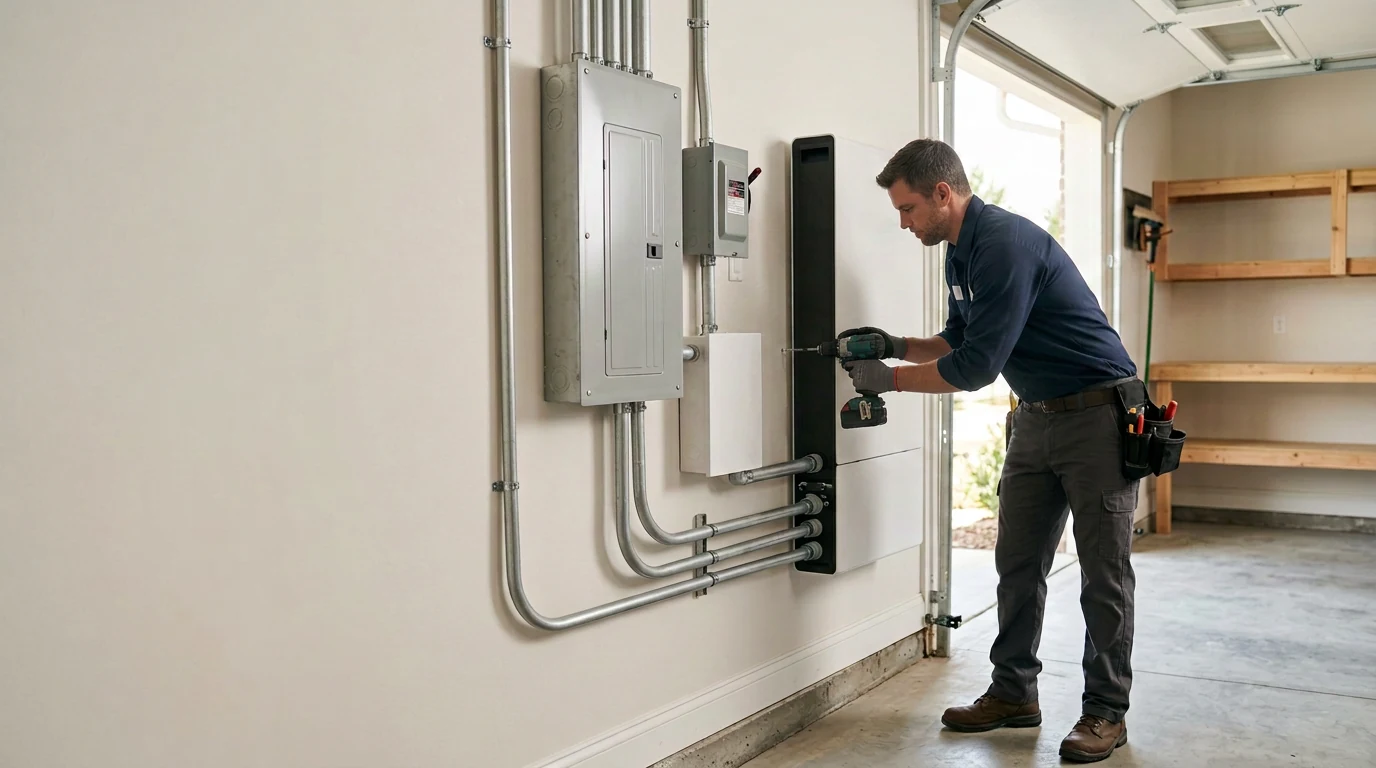 SYSTEM / BATT-01
Battery capacity, backup duration, equipment compatibility, and circuit selection depend on the actual system. This template leaves room for real specifications without pretending every house is identical.
Roof, electrical service, usage, shading, access, and project goals.
Array layout, equipment selection, battery strategy, and electrical design.
Permitting and utility requirements vary by jurisdiction and provider.
Professional installation of the approved system and associated equipment.
Inspection, utility approval where required, commissioning, and system handoff.
Real solar work means roof access, layout, mounting, electrical routing, equipment placement, safety procedures, weatherproofing, inspection requirements, and people who know what they are doing.
Talk about your system →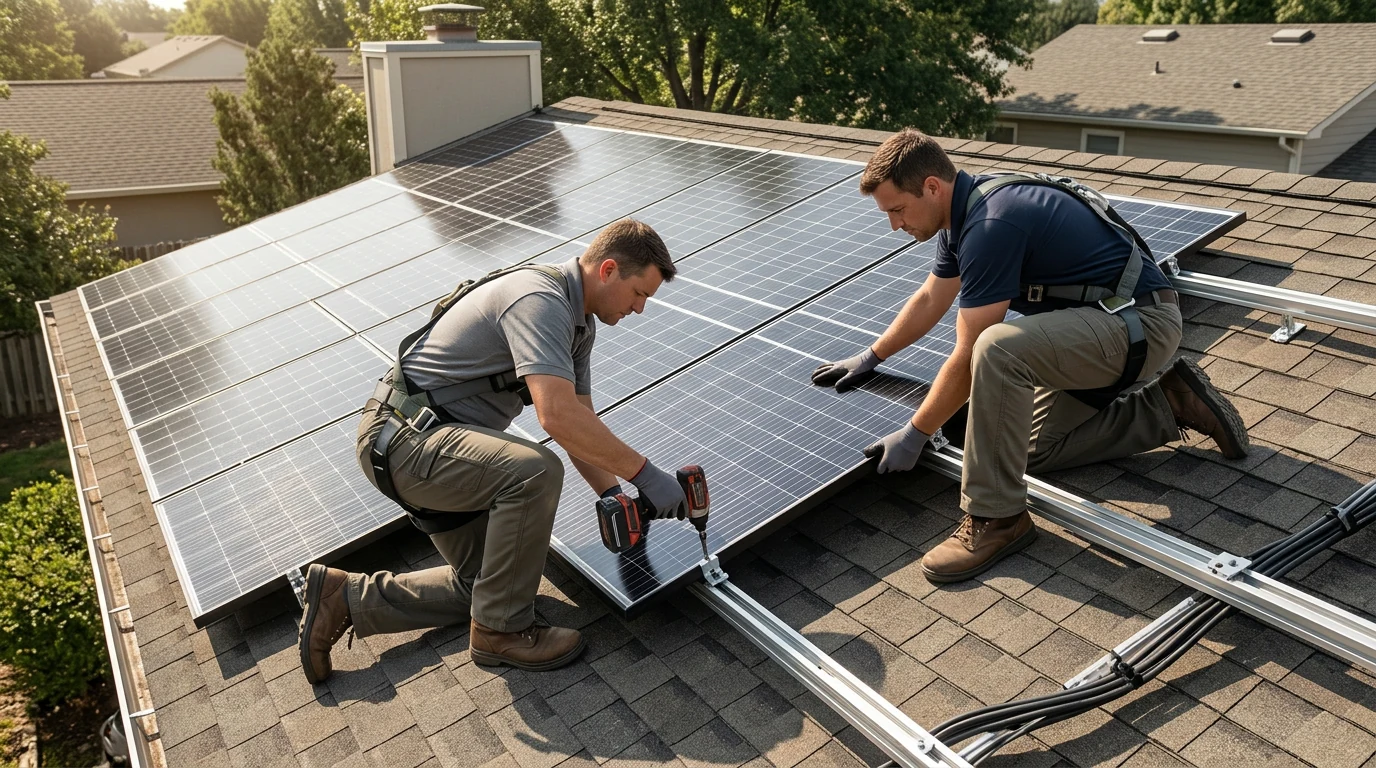
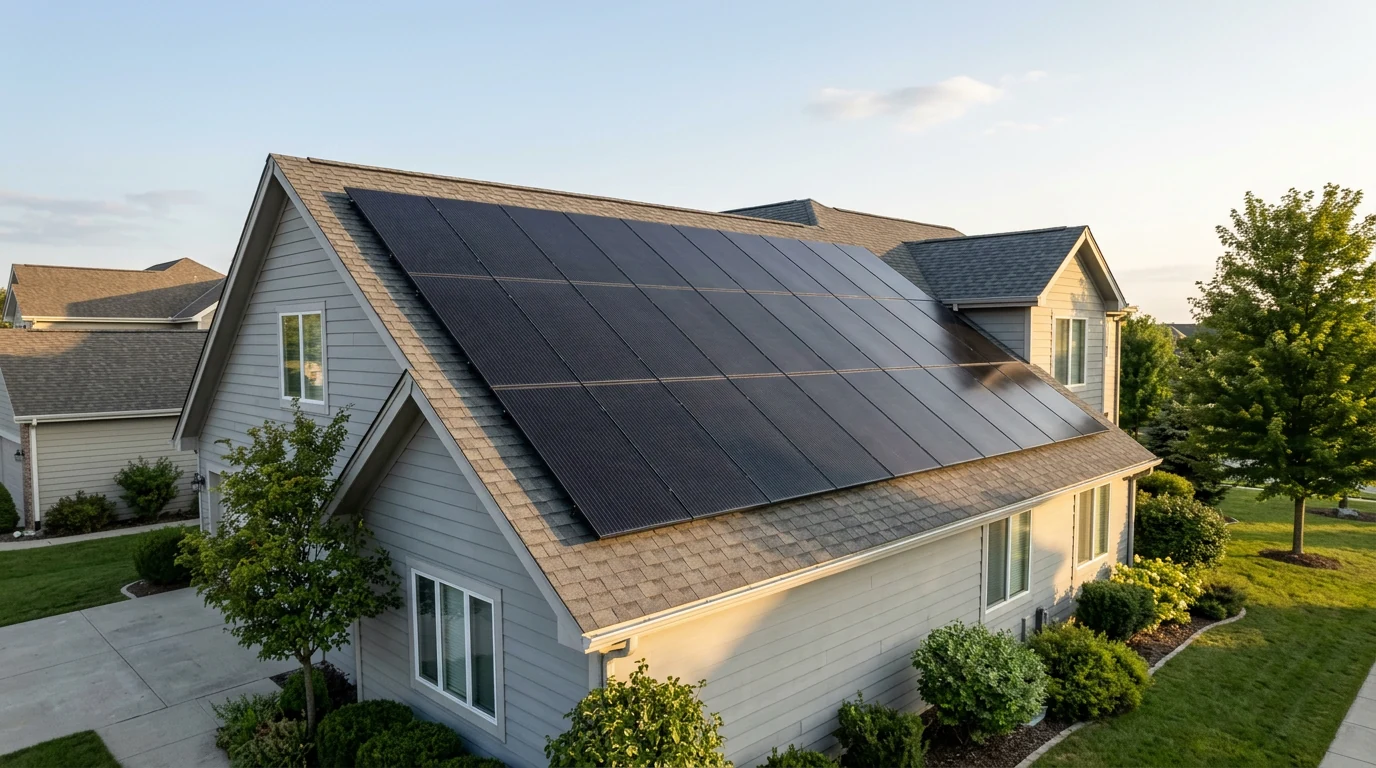
Demo system specifications shown for presentation only. Replace with real project information and verified performance data.
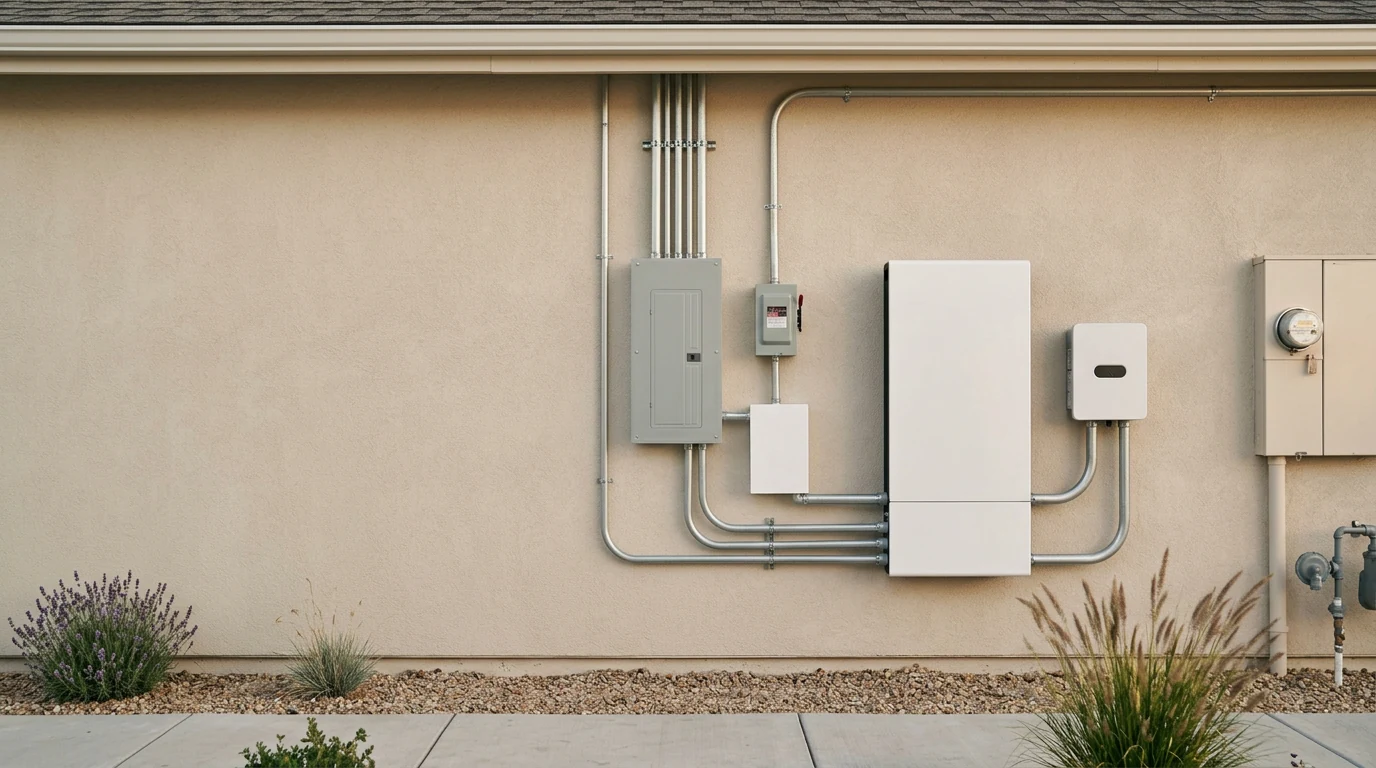
System sizing depends on electricity usage, roof conditions, orientation, shading, local rules, equipment, budget, and goals. Replace this demo answer with the installer's actual process.
Not every solar project requires storage. A battery may make sense for backup power, time-of-use management, self-consumption, or other goals depending on the home and utility structure.
Standard grid-connected solar systems generally require appropriate backup equipment to power a home during an outage. Real system behavior depends on the installed equipment and design.
Physical installation may be relatively quick, but total project timelines can include design, permits, inspections, equipment, utility review, and permission to operate.
Savings depend on production, consumption, rate structure, incentives, financing, net-metering rules, and system design. Never publish guaranteed savings without proper substantiation.
Replace this placeholder with the real workmanship, manufacturer, equipment, roof-penetration, and service warranty information offered by the installer.