Rome
Arrive. Transfer waiting. Hotel already knows your name. Dinner somewhere worth staying awake for.
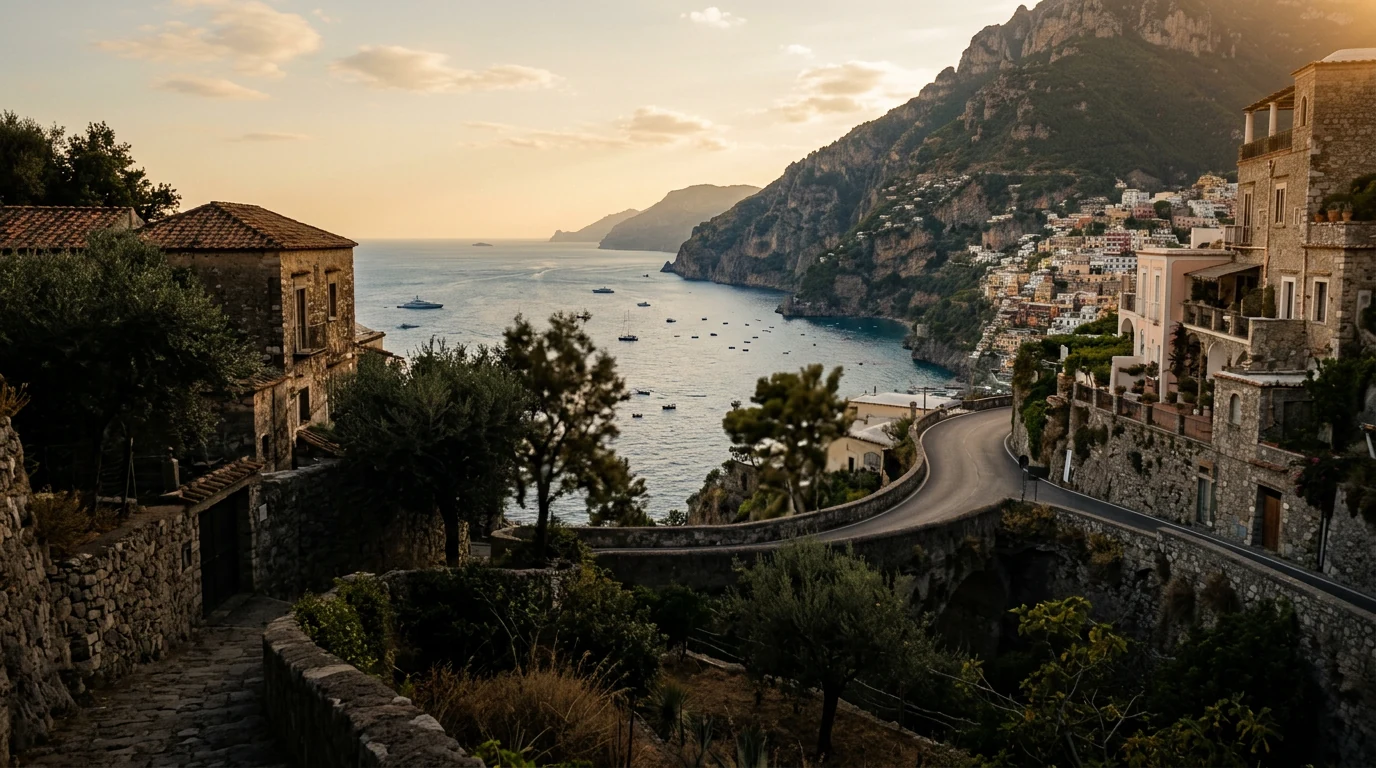
Enough structure to know where you are sleeping. Enough freedom to forget what time lunch was supposed to happen.
These are example journeys, not rigid packages. The point is to show how thoughtful pacing, geography and logistics can turn a list of places into an actual vacation.
Seven days. Several excellent lunches. Zero attempts to personally defeat the entire Italian rail system.
Arrive. Transfer waiting. Hotel already knows your name. Dinner somewhere worth staying awake for.
Ancient things before lunch. Long lunch after ancient things. Absolutely no museum marathon.
Fast train north. Check in. Walk until somebody mentions wine.
Driver. Countryside. Lunch. Several excellent reasons not to drive yourself.
We intentionally stop scheduling things every seventeen minutes.
Big-city energy, quieter mornings and enough breathing room to discover something that was not already saved in a browser tab.
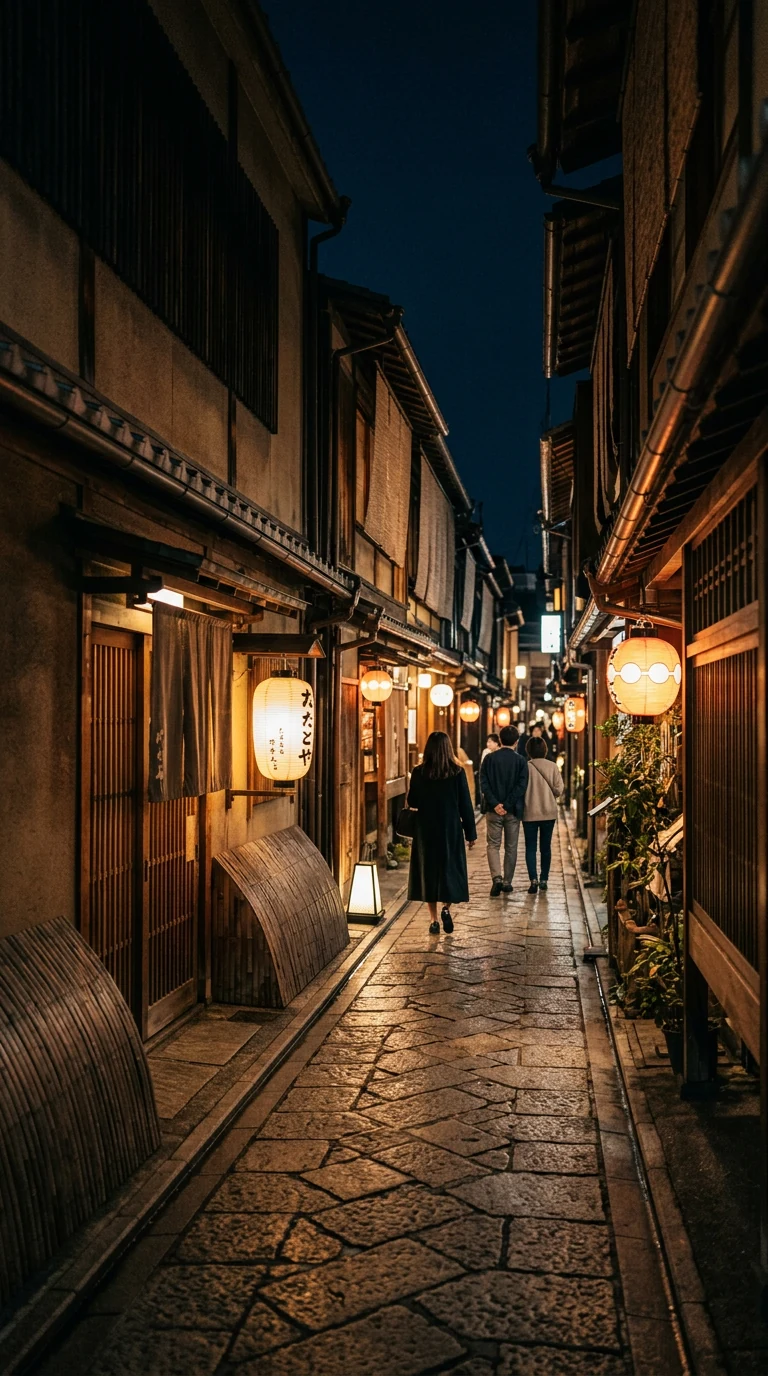
Neighborhoods, tiny restaurants, excellent trains and several opportunities to realize your hometown closes suspiciously early.
A travel day that behaves like part of the trip instead of administrative punishment.
Early walks, slower afternoons and enough time to stop turning every temple into a checklist item.
Add somewhere smaller, return to Tokyo, or protect two completely unproductive days. All are valid.

Five nights somewhere warm. One good room. A few reservations. No compulsory character development.
Build the easy versionGood. It should look like yours.
Some people want five cities. Some people want one hotel and emotional stability.
We make the expensive parts worth being expensive and try not to waste money on things nobody cares about.
Food, history, beaches, design, hiking, nightlife, doing absolutely nothing with impressive commitment.
No early flights. No rental cars. No group tours. No changing hotels every night. Extremely useful information.