Language
Stories, conversation, songs, vocabulary, early writing, books, dramatic retellings, and important corrections to adult pronunciation.
Preschool
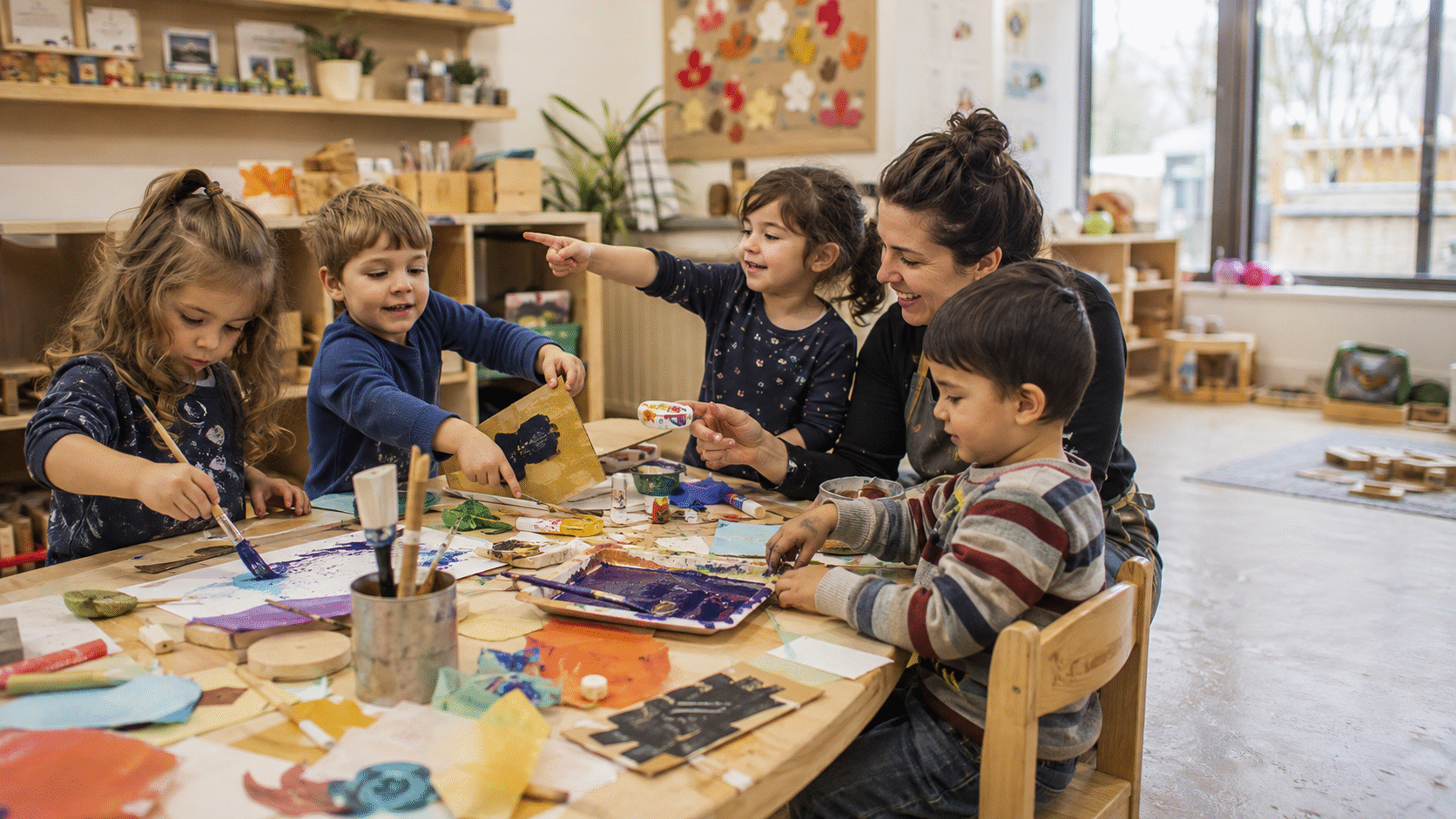
A lively program for tiny humans who are building friendships, testing ideas, telling stories, asking questions, making things, taking things apart, and asking why before you have finished answering the previous why.
Primary Research Method
Preschoolers learn by asking, touching, building, pretending, comparing, noticing, experimenting, telling stories, and trying again when the first plan produces unexpected structural consequences.
A thoughtful preschool classroom gives children plenty of room to investigate their ideas while caring adults help them turn curiosity into learning.
Currently Investigating
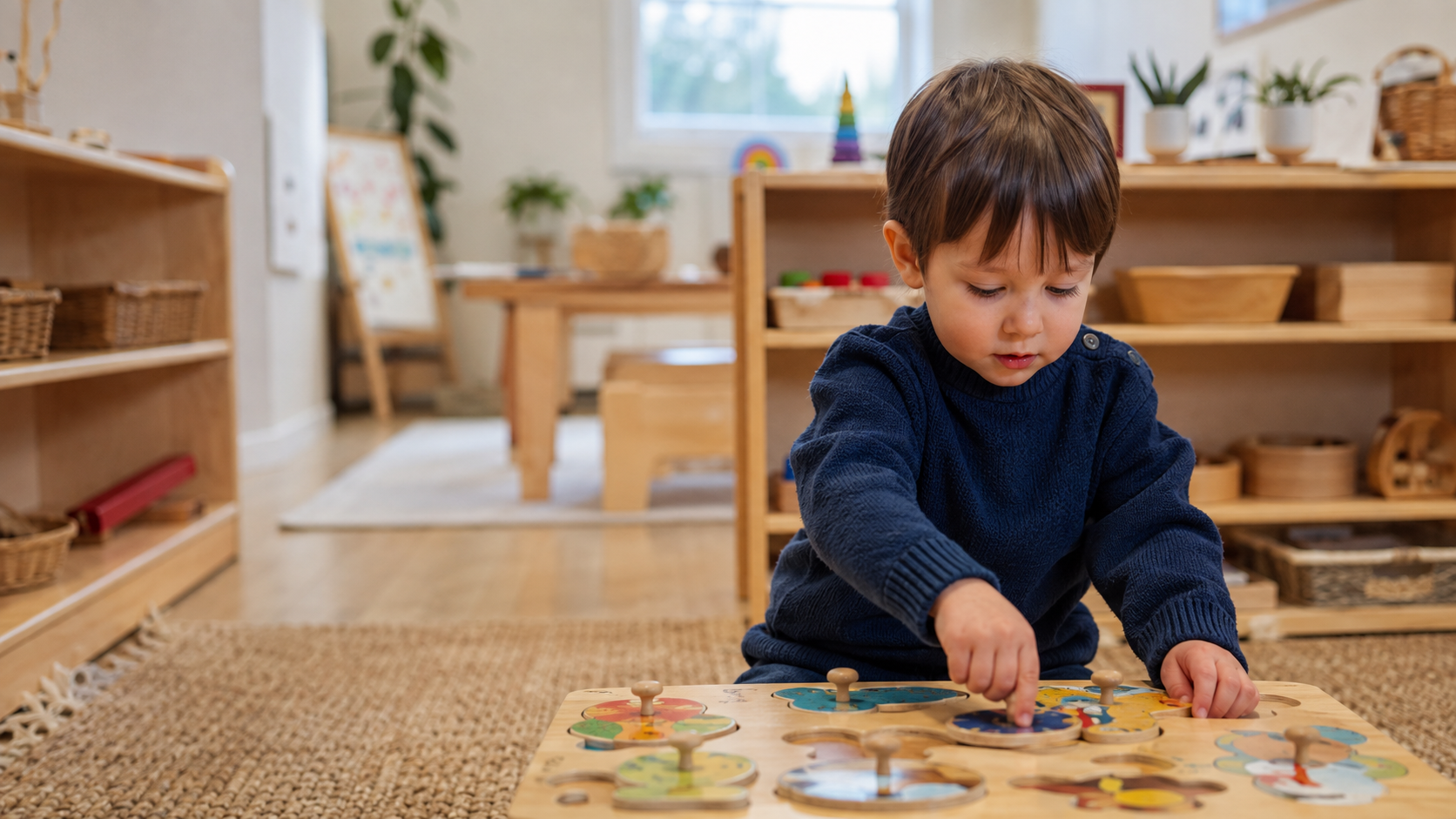
Preschool is where questions get bigger, conversations get longer, friendships get more complicated, and cardboard becomes whatever the situation requires.
Stories, conversation, songs, vocabulary, early writing, books, dramatic retellings, and important corrections to adult pronunciation.
Counting, sorting, patterns, shapes, quantities, measurement, comparison, and making sure everybody received the same number of crackers.
Drawing, painting, building, music, movement, collage, sculpture, storytelling, and determining whether something needs more glue.
Playing together, taking turns, communicating needs, solving conflicts, negotiating pretend roles, and learning that somebody else can also be the tiger.
Observe it. Ask about it. Predict what happens next. Test the theory. Become extremely excited when it bubbles.
Make Something
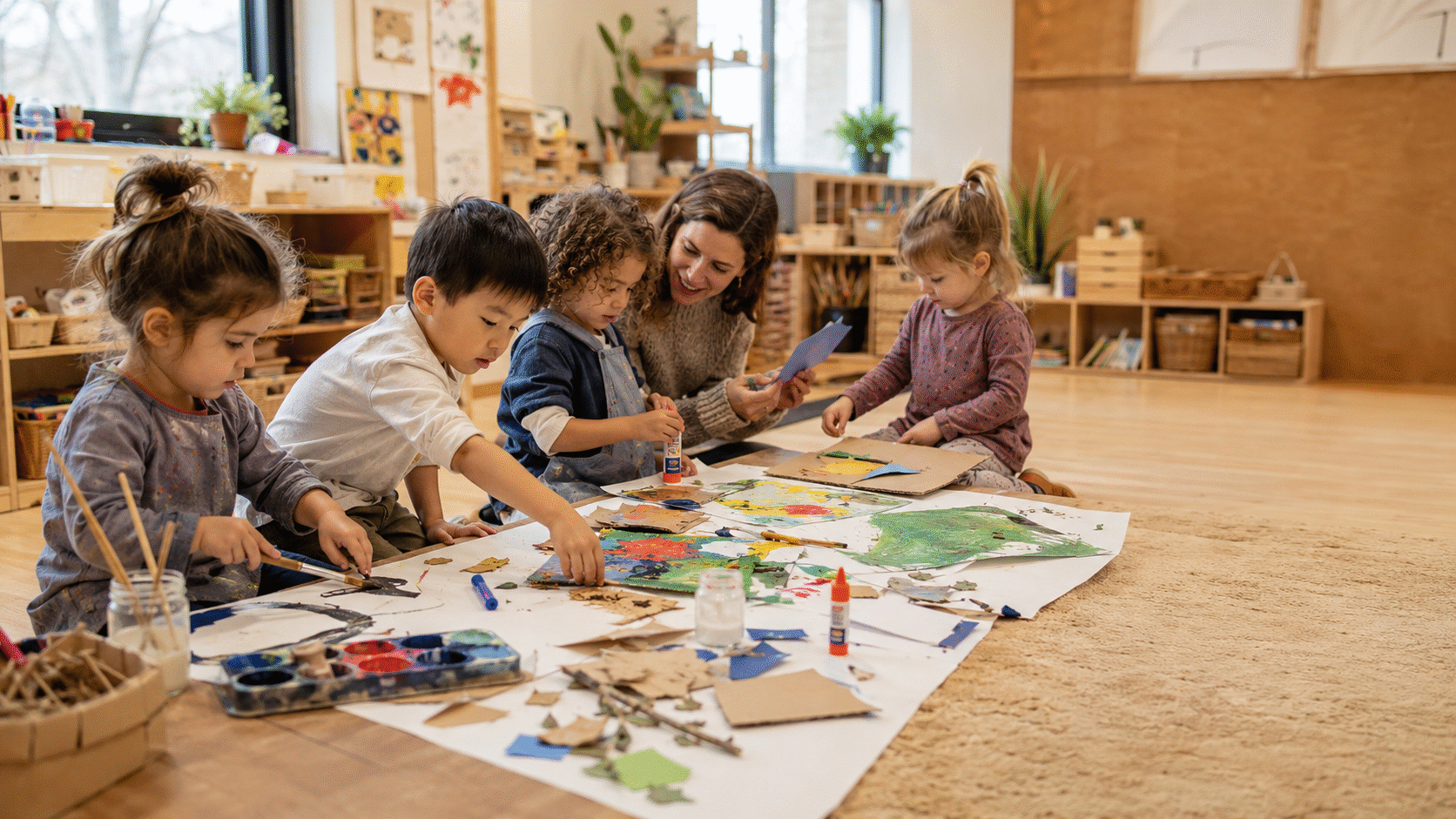
Open-ended materials give preschoolers opportunities to plan, imagine, experiment, create, revise, combine ideas, and discover that the original plan was apparently only a suggestion.
Today's Loose Plan
A preschool day can provide predictable routines while leaving plenty of space for play, projects, stories, outdoor movement, meals, rest, and discoveries nobody scheduled.
Put things away, say hello, find friends, inspect developments.
Build, pretend, sort, create, read, explore, and establish several ongoing situations.
Stories, songs, conversation, questions, plans, and unrelated but urgent information.
Run, climb, balance, dig, investigate nature, and use the remaining available volume.
Art, experiments, construction, music, literacy, numbers, and suspiciously ambitious projects.
Meals, quiet time, books, rest, and locating whichever sock has become independent.
Research remains incomplete.
Imagination Department
Pretend play helps children practice language, problem solving, cooperation, storytelling, perspective taking, planning, and the complicated economics of an imaginary restaurant where everything costs eleven dollars.
Meanwhile, at Pickup
Families should have useful information about classroom activities, learning, meals, rest, outdoor time, friendships, projects, routines, and the important developments behind today's mysterious paint situation.*
“I don't know.”
Template note: Age eligibility, curriculum, learning activities, meals, rest schedules, outdoor procedures, parent communication, staffing, assessment, toileting, safety procedures, and other operational details shown here are demonstration content. Replace them with the real center's policies before launch.
Observe the Research
Tour the preschool classroom, meet the team, ask about routines and learning, inspect current research projects, and discover why somebody is carrying seventeen pom-poms.