
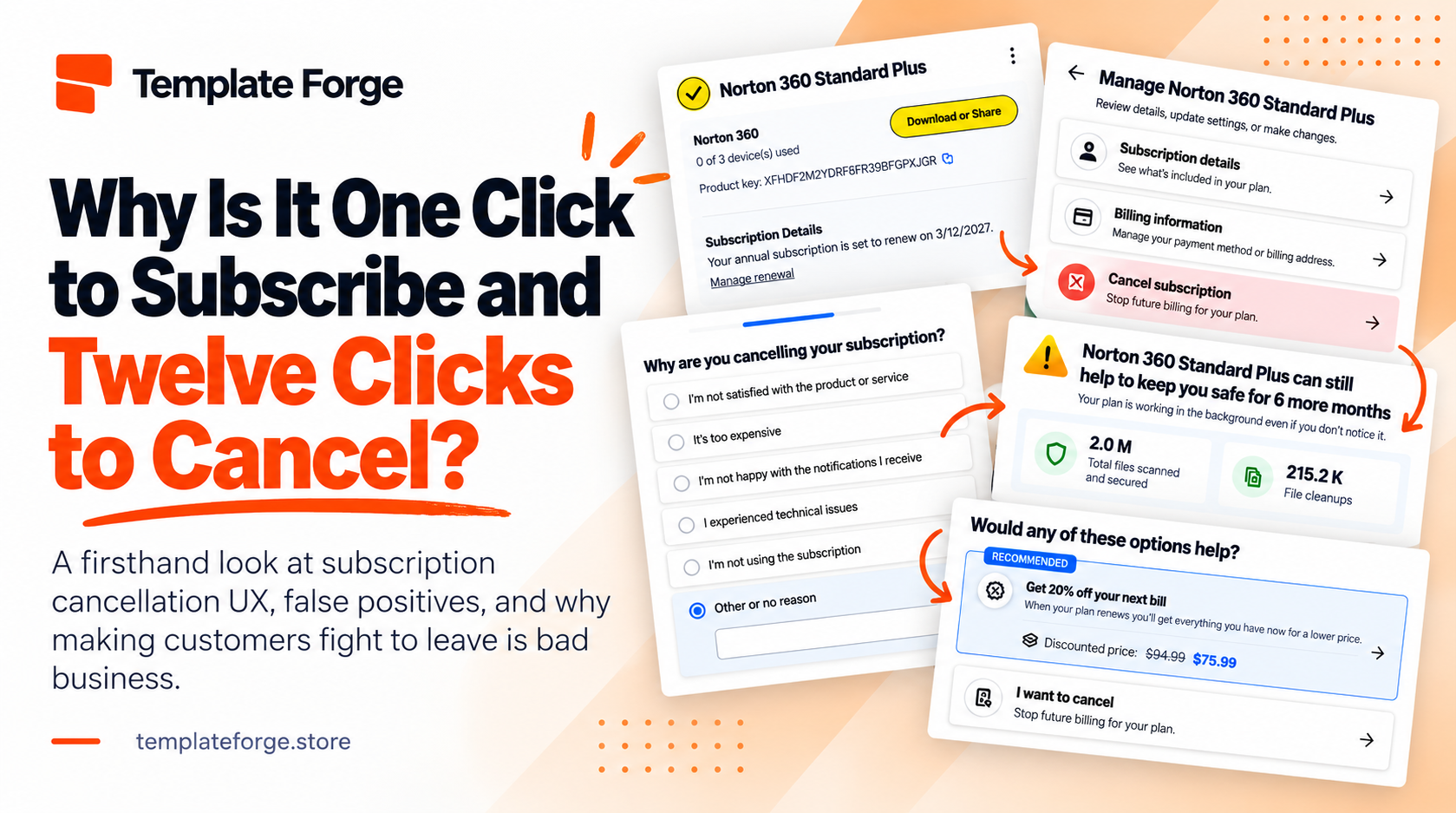
I still had more than five months left.
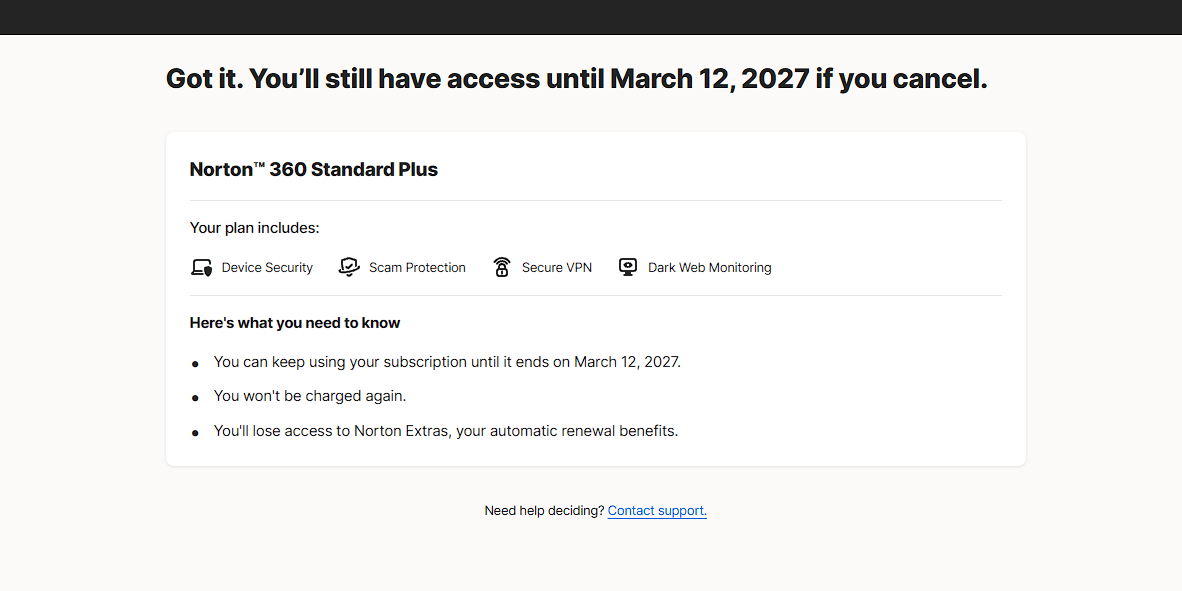
There is probably no better way to explain how frustrated I had become with Norton than this: my subscription was already paid through March 12, 2027. It is October 2026, so I still had more than five months of service sitting there that I had already paid for, and I uninstalled it anyway.
This was not one of those situations where the renewal date was tomorrow and I suddenly remembered I needed to cancel. I knowingly walked away from months of paid service because using the software had become more annoying than whatever value was left in the subscription. At that point I did not care about squeezing another five months out of it. I just wanted Norton off my computer.
When the antivirus becomes the thing interfering with your computer.
I develop websites and software, so my computer is constantly creating PHP files, scripts, utilities, ZIP archives, test files and temporary files. I understand that antivirus software is going to look at some of that sideways once in a while. False positives happen, and I am not expecting security software to magically know that every unusual file on my machine is something I created myself.
The problem is when false positives stop being occasional and start becoming part of your workflow. Norton repeatedly flagged legitimate files I had just written, quarantined website files while I was working on them, and sometimes removed things I knew were safe. I eventually got into the habit of temporarily disabling protection just so I could work without wondering whether something I created five minutes earlier was about to disappear.
The timing got even more irritating after that. After Norton was uninstalled, my local MariaDB setup also started giving me trouble, and I am still troubleshooting that as I write this. I cannot say yet that Norton caused that specific database problem because I have not proved that connection. But when security software has already been quarantining and removing files from a development environment, suddenly having to troubleshoot the database too does not exactly inspire confidence.
So while I would love to say uninstalling Norton was the end of the story, it was not. Norton is gone, the renewal is canceled, and I am now spending time troubleshooting my local development environment instead of working on the projects I actually wanted to work on.
Even that was not always enough. Protection would come back on and the same files could become a problem again. At some point I had to ask what the hell I was doing. If I am constantly disabling my antivirus so I can use my computer normally, what exactly am I paying the antivirus for?
That was enough for me. Windows already includes Microsoft Defender, and I reached the point where I would rather use the security built into Windows than keep paying for something I was actively working around. I uninstalled Norton and went to cancel the renewal. Uninstalling it turned out to be the easy part.
Apparently "Manage renewal" is where cancel was hiding.
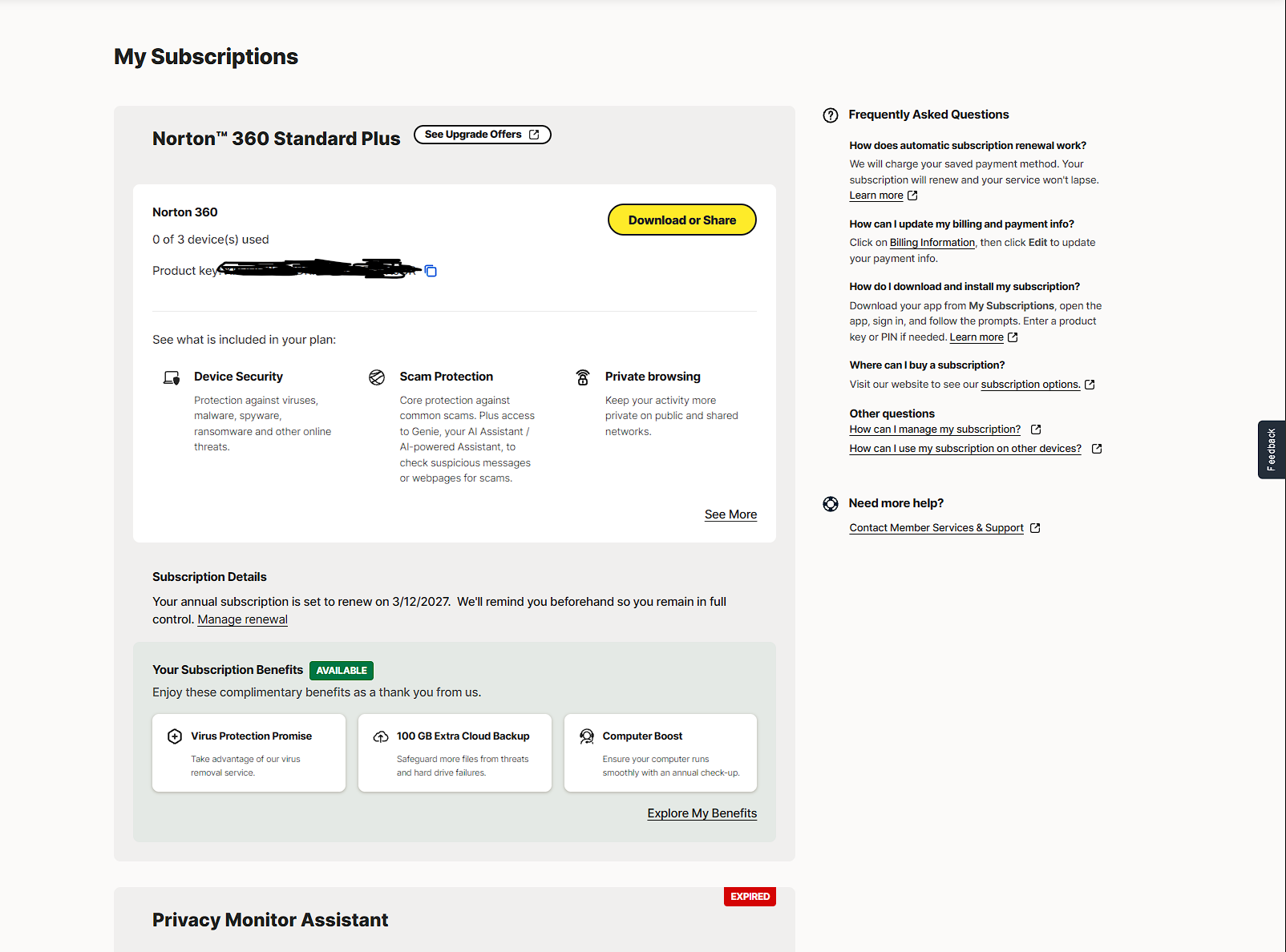
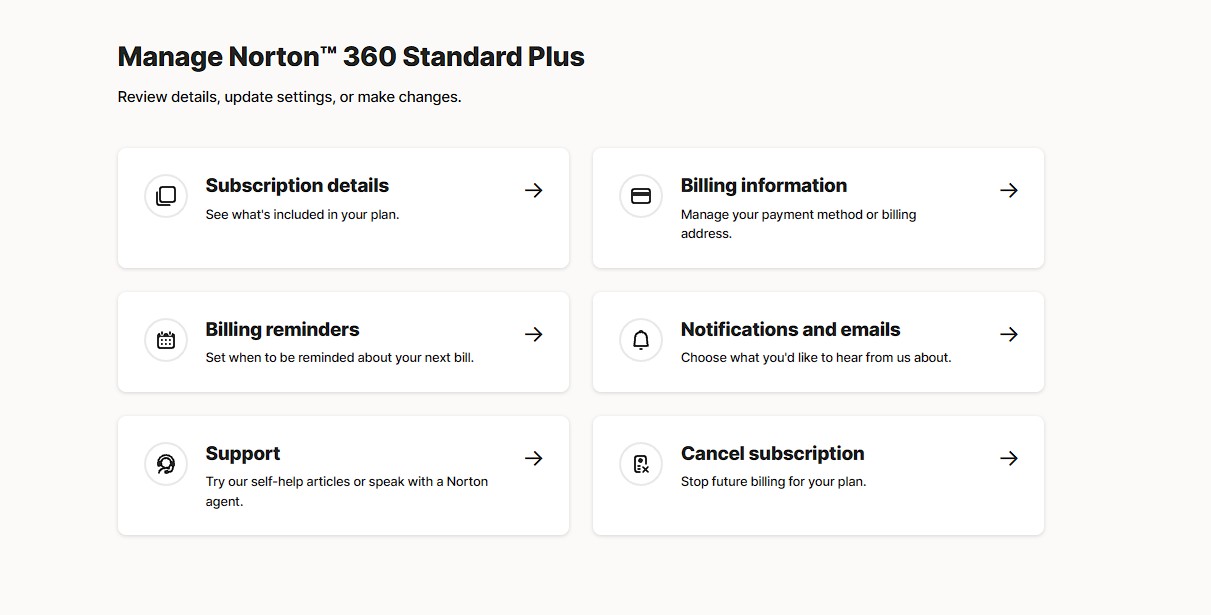
Finding somewhere to give Norton money is not particularly difficult. Finding where to stop giving Norton money was a different experience. I went through my account, subscription information, billing and support areas looking for the thing I actually wanted. Eventually I found a small Manage renewal link underneath the subscription details.
That took me to another page, and only then did I finally get an actual Cancel subscription option. From a UX standpoint, that already rubbed me the wrong way. If the customer wants to cancel a subscription, the option should not feel like it is hiding behind wording that sounds like a place to change a card or adjust a renewal date.
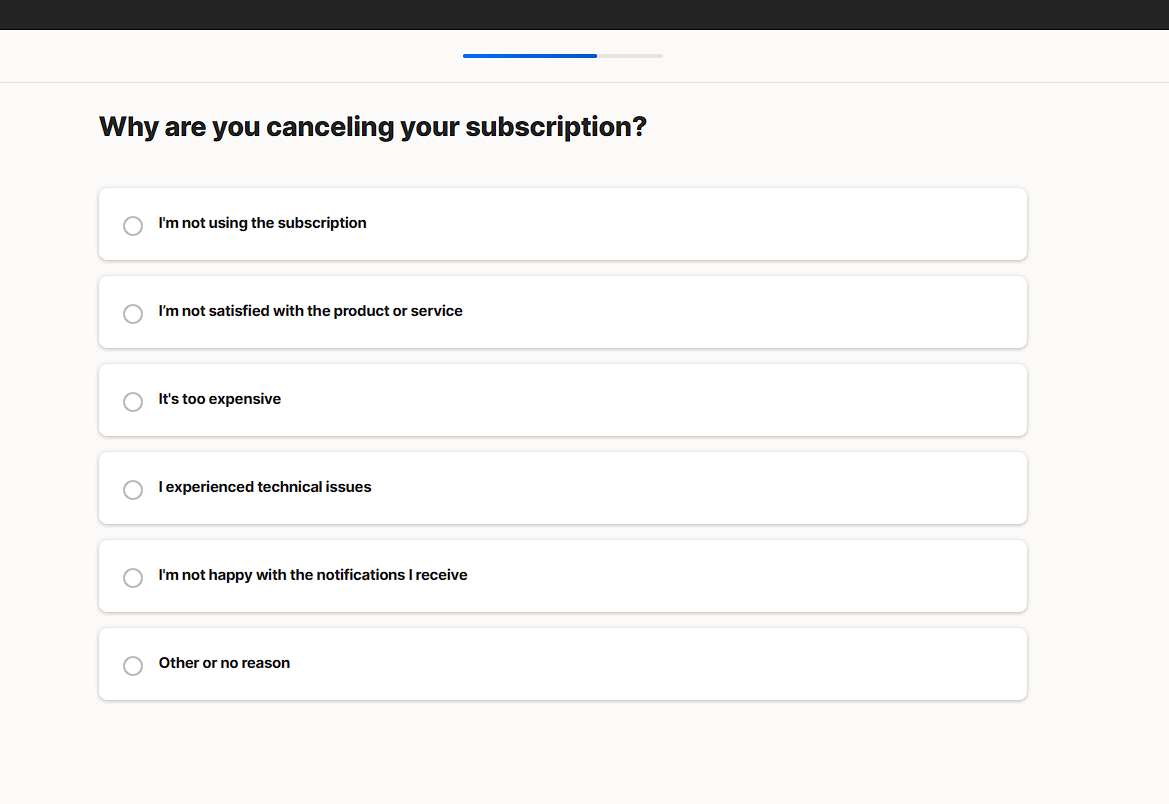
Norton then asked why I wanted to leave, so I told them. I explained that the software had repeatedly flagged, quarantined and deleted legitimate development files that I created myself. I also told them the cancellation experience was making the situation worse. Signing up for a service should not be dramatically easier than leaving it.
Then came the retention obstacle course.
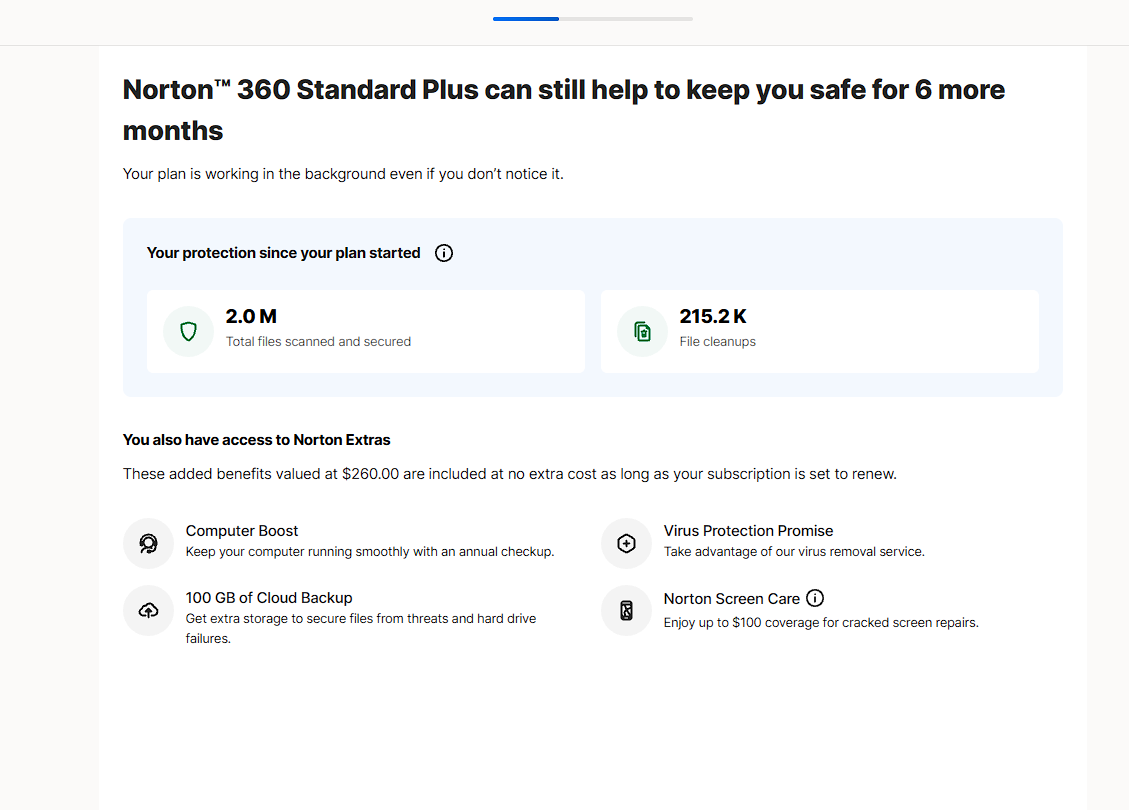
After explaining why I wanted to leave, Norton reminded me that the subscription could still keep me protected for another six months. The page showed how many files had been scanned, how many cleanups had been performed and the extra benefits that came with keeping automatic renewal turned on.
I already knew I had months left. That was the whole point. I was annoyed enough with the software that I did not care. I had already uninstalled something I had paid to use until March 12, 2027.
Then came the retention offer. Norton offered me 20% off my next bill. The same screen also offered to send me to support, while the actual I want to cancel option sat underneath both.
I actually laughed because price was not the problem. If I am uninstalling software with more than five months left on a subscription I already paid for, offering me the same experience at a slightly better future price is not really addressing why I am leaving.
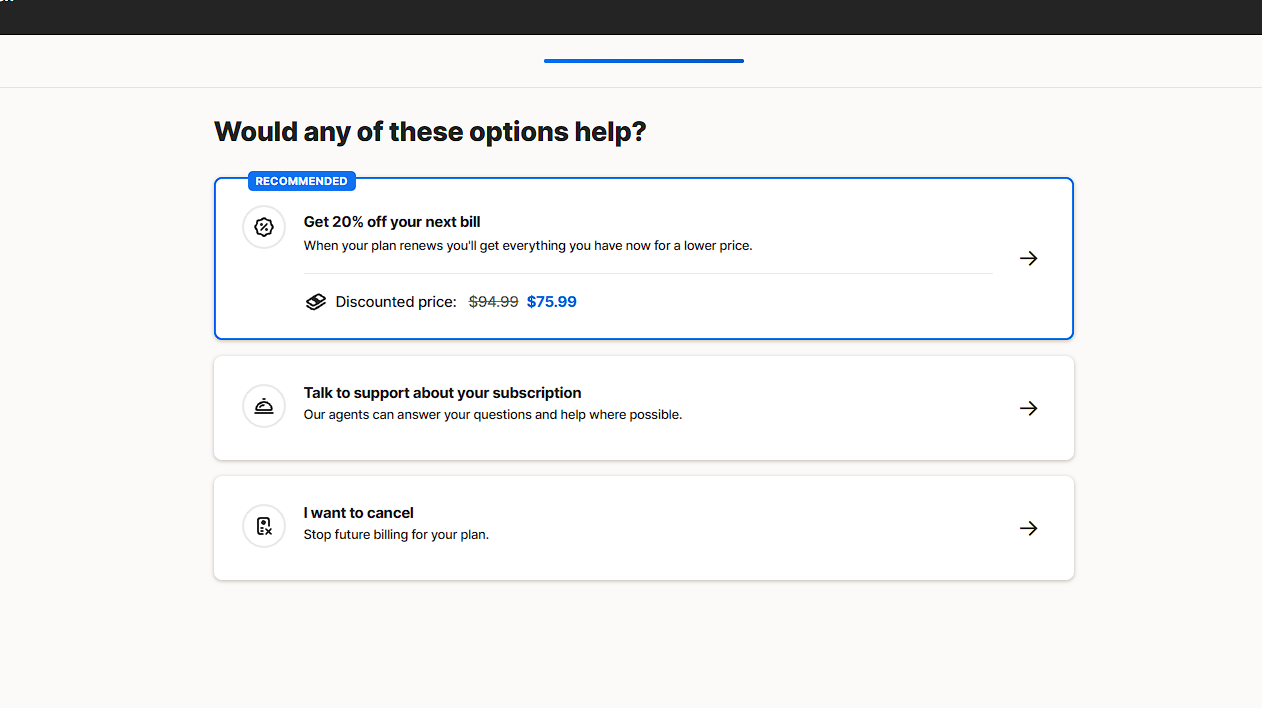
I declined the discount and the support detour and kept going. By that point I had found the cancellation route, explained why I was leaving, rejected an offer to stay and confirmed that I still wanted out. There was not much mystery left about my intentions.
Eventually the subscription was canceled. Norton confirmed that I would not be charged again and that I could still use the paid subscription through March 12, 2027. I had already uninstalled it.
Norton's own support instructions say the company may present options and offers intended to encourage customers to keep their subscription before the cancellation is completed.
This is bigger than Norton.
Norton is the reason I am writing this because it happened to me today and I took screenshots as I went through it, but Norton did not invent difficult subscription exits. Companies all over the internet spend enormous effort removing friction from signup while sometimes treating cancellation like an entirely different design philosophy.
I understand why businesses care about retention. Losing customers costs money. If somebody is leaving because of price and a reasonable discount solves the problem, offering one makes sense. If somebody has a technical problem and support can genuinely fix it, offering help makes sense too. The issue is what happens after the customer has already said no.
There is a difference between giving somebody an option to stay and repeatedly making them prove that they want to leave. One is a retention attempt. The other can become the final frustrating experience attached to your brand.
This is not just a theoretical UX complaint. In May 2026, the Federal Trade Commission announced a $35 million proposed settlement with Shutterstock over allegations that included making subscriptions difficult to cancel. Whatever industry you are in, the broader point is simple: cancellation design matters.
Cancellation is part of the user experience too.
Businesses spend a lot of time thinking about onboarding, checkout, conversion and customer retention, but cancellation is also part of the user experience. It may be the final interaction somebody has with your company, which is a pretty good reason not to make it miserable.
A customer leaving today is not automatically a customer gone forever. Maybe they cannot afford the service right now. Maybe they do not need it anymore. Maybe their circumstances changed. Maybe they come back six months later. That possibility gets a lot less appealing when their last memory of your company is searching for a cancel button and repeatedly explaining that yes, they still want to leave.
There is nothing wrong with one reasonable retention offer. Ask if a discount would help, or offer support if the problem might be fixable. Once the customer says no, though, believe them. A good cancellation experience should be boring: put the option somewhere logical, explain when access ends, confirm the cancellation and send the email. You do not need a boss battle.
If I can create an account, enter a credit card and start a subscription without talking to another human being, I should also be able to stop renewing that subscription without needing map-reading skills and emotional resilience.
The five months are the part I would pay attention to.
The cancellation screens annoyed me, but if I were Norton, the part I would pay the most attention to happened before any of those screens appeared. My subscription was paid through March 12, 2027, and I still removed the software from my computer in October.
I was not trying to avoid a charge the next morning. I had already paid for the product. There were still months of service sitting there that belonged to me, and I decided I would rather walk away from that value than continue dealing with the software. That says considerably more than a cancellation survey ever could.
When somebody decides that five months of something they already paid for is worth less than simply not having to deal with it anymore, the problem probably is not the renewal price. A 20% discount is not going to solve it either. Making the exit more annoying does not undo whatever drove the customer away. It just gives them one more reason to remember why they left.
That is exactly what happened here. And now I have screenshots.
Sources
- Norton: Stop your Norton subscription from automatically renewing
- Federal Trade Commission: Shutterstock cancellation settlement
Let people leave without making them hate you.
If the customer has already made the decision, making the door harder to find does not create loyalty. Sometimes it just creates an article.